At Macaulay Honors College, we believe the future belongs to those who imagine boldly and build together. This past academic year—the fifth and final year of our 2020–2025 Strategic Plan—proved how powerful that belief can be.
This year’s accomplishments are more than milestones; they mark the successful completion of a five-year vision that not only met but exceeded its ambitions. By centering curiosity, collaboration, and courage, we showed how a public honors college can lead change rather than merely adapt to it.
Together we created a learning environment where ideas flow across disciplines, where wellness stands alongside scholarship, and where our students’ brilliance is matched only by their capacity to shape the world beyond our doors. Partnerships across CUNY campuses, with New York City, and through a dynamic alumni network amplified our impact and set a high bar for what comes next.
Because of these shared achievements, Macaulay is poised to launch its 2025–2030 Strategic Plan from a position of extraordinary strength. Ahead lie deeper experiential learning, expanded graduate pathways, and new tools to measure and magnify our impact.
The best of Macaulay is not behind us—it’s unfolding right now, built on the remarkable progress of the 2020–2025 plan.
Thank you for bringing your talent, creativity, and heart to this collective effort.
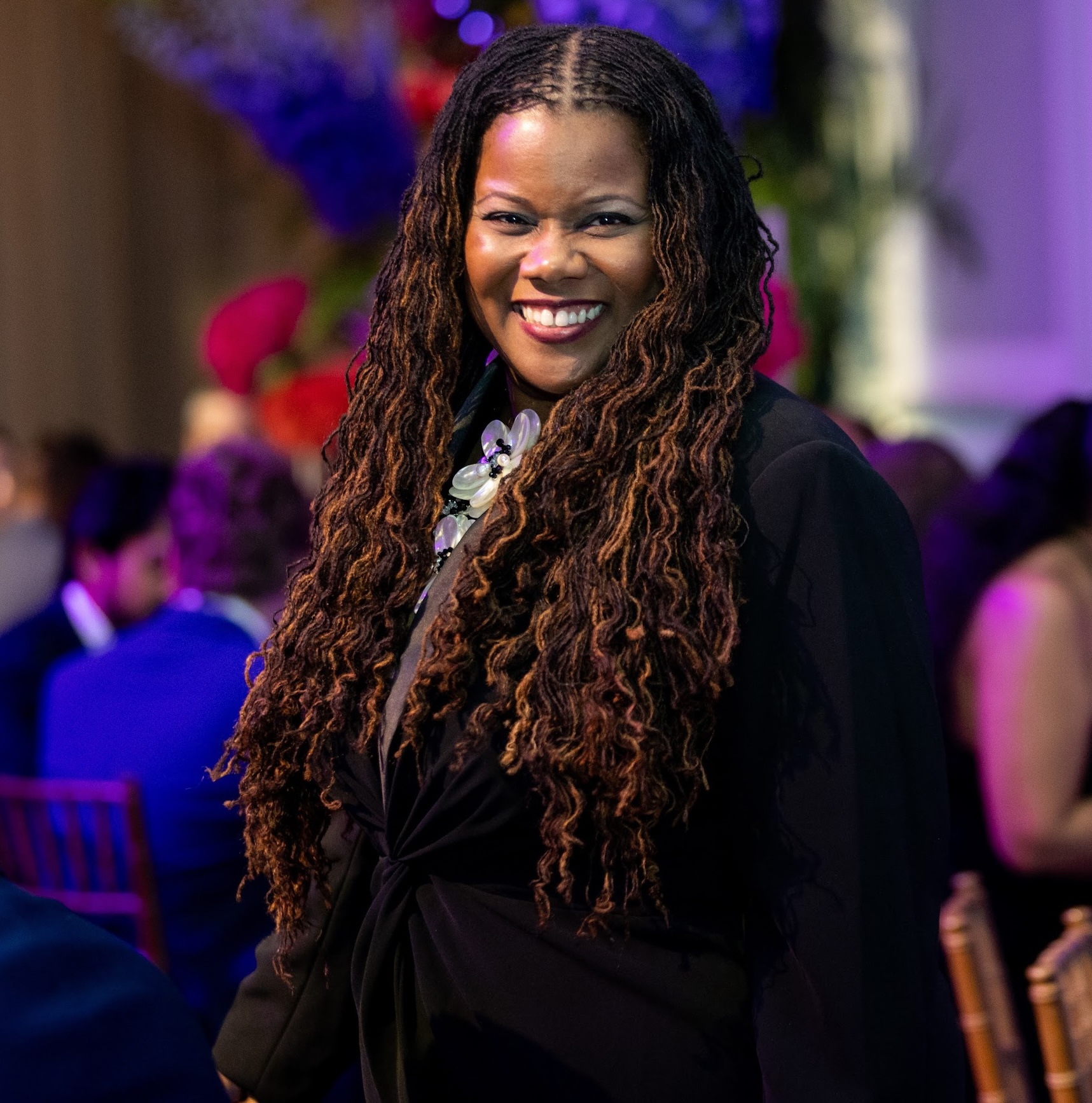
Dara N. Byrne Dean, Macaulay Honors College
Congratulations Class of 2025!
The 427 members of Macaulay’s Class of 2025 embody the college’s mission of access, excellence, and impact. Graduating with a collective 3.8 GPA, they include double and triple majors, early graduates, Fulbright scholars, and first-generation trailblazers. Nearly 80 percent held paid internships or research positions, and one-third studied abroad across Europe, Asia, and Africa. Their pursuits span medicine, law, technology, the arts, business, and environmental science: from NASA labs to City Hall, from composing new musical notations to advancing climate research. Many leave as published scientists, community organizers, and entrepreneurs—proof that Macaulay nurtures scholars who both excel academically and translate knowledge into action. Together, they exemplify the vision of graduates prepared to lead, serve, and innovate on a global stage.
427 Macaulay scholars graduated on June 4 with degrees in Arts, Science, Business, Engineering, Music, Fine Arts, and Architecture.
5 received both their bachelor’s and master’s degrees.
57 double majored, including student speaker Sasha Jamal, who majored in Psychology and Chemistry with minors in Philosophy and Music.
3 members of this class triple majored.
35 graduated a year early and 2 graduated two years early.
328 completed at least one paid internship or research experience.
One-third of the graduating class used their Opportunities Funds to study abroad.
The average GPA was 3.8.
5 graduates won Fulbright Scholarships for the 2025–26 academic year, exemplifying the global leadership and intellectual rigor that Macaulay nurtures.
Class of 2028 Snapshot
Macaulay welcomed 519 students into the Class of 2028, boasting an impressive mean high school GPA of 95.8. Overall, 42% of students intend to pursue STEM majors, led by 20% in Biological and Biomedical Sciences, while 58% are planning non-STEM fields, with 18% in Health Professions and 15% in Business among the top choices. Reflecting Macaulay’s strong roots in New York, 84% of students come from the five boroughs, and 82% graduated from public high schools, bringing a wide range of perspectives and experiences to the community.
FRESHMAN CLASS PROFILE
519 students
Mean high school GPA: 95.8
Top intended majors:
Biological and Biomedical Sciences (20%)
Health Professions (18%)
Business (15%)
84% from New York City
82% from public high schools
41% speak a language other than English at home
32% first generation in college
STRATEGIC PLAN 2020–2025: ACCESS, EXCELLENCE, TRANSFORMATION
Concluding the 2020–2025 Strategic Plan with purpose and momentum, Macaulay deepened its commitment to developing the whole student—academically, professionally, and personally. The college secured a $175,000 grant to launch the Collaborative Academic Recovery Program (CARP), an integrated peer-coaching and data-driven support model debuting in Fall 2025. Career development flourished with 279 documented paid internships, expanded alumni mentoring, and partnerships with Cornell Tech, Hospital for Special Surgery, and Google.
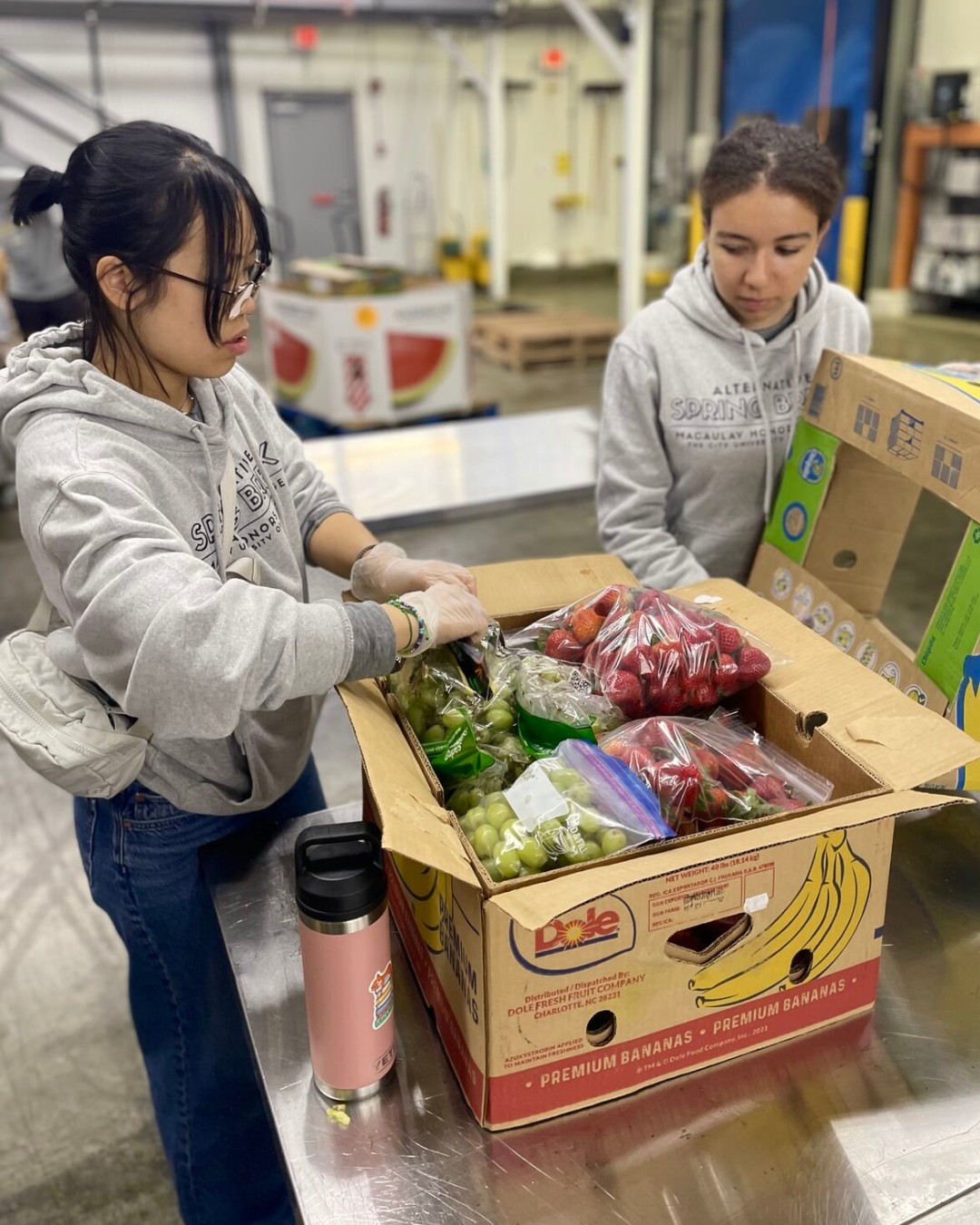
Students built cross-campus bonds and civic awareness through the first Alternative Spring Break, and wellness programming reached over 1,000 participants with more than 60 events and enhanced counseling services. Constructive Dialogue workshops and a new service-tracking system advanced belonging and community engagement. Together, these achievements strengthen well-being, experiential learning, and career readiness, laying durable foundations for student success well beyond this five-year plan.
Key Achievements
Academic Recovery: Secured $175K CCIF grant to launch Collaborative Academic Recovery Program (CARP), starting Fall 2025 with peer coaching, planning tools, and a student support dashboard.
Career Development: Documented 279 paid internships, expanded alumni mentoring, and deepened partnerships with Cornell Tech, HSS, and Google.
Alternative Spring Break: Piloted immersive service trips to Albany and Montreal with strong outcomes in connection-building and civic engagement.
Counseling & Wellness: Expanded programming through the Aronson Collaborative Wellness Project, reaching 1,027 students across 60+ events.
Dialogue & Belonging: Piloted CUNY-wide Constructive Dialogue workshops to help students navigate differences with empathy and respect.
Community Service Tracking: Trained advisors in a new tracking module launching Fall 2025 to better document Macaulay’s service graduation requirement.
Initiatives and Outcomes
Career Development
Career success programming included 36 events, including workshops, career chats, panel discussions, and two career fairs, reaching 1,204 students across seven campuses. Stand out initiatives included the Alumni Mentoring Program, the Macaulay Datathon, and robust attendance at the Fall Business & Tech Career Fair (203 students) and the Spring General Career Fair (87 students plus partner campuses). Experiential learning also expanded, with 11 students paired with faculty mentors through the Research Assistantship Program and 31 students placed in high-impact summer internships at leading organizations including The Legal Aid Society, the National September 11 Memorial & Museum, Cornell Tech, Hospital for Special Surgery, and the City Design Internship Program. Digital engagement remained strong, with nearly 80% of undergraduates and 85% of alumni activating Handshake accounts—far outpacing national peers—and 218 students receiving one-on-one coaching sessions.
Alternative Spring Break 2025
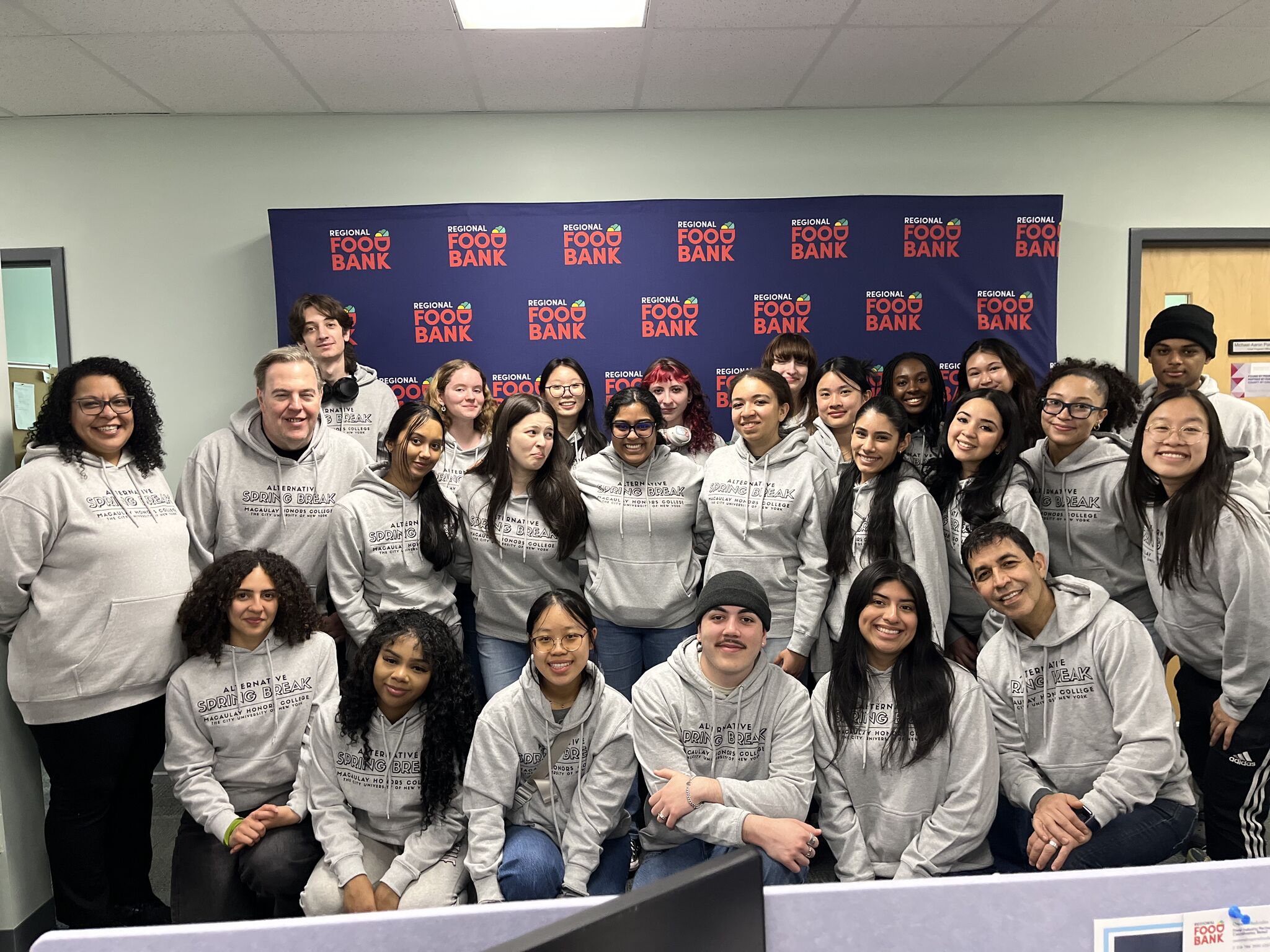
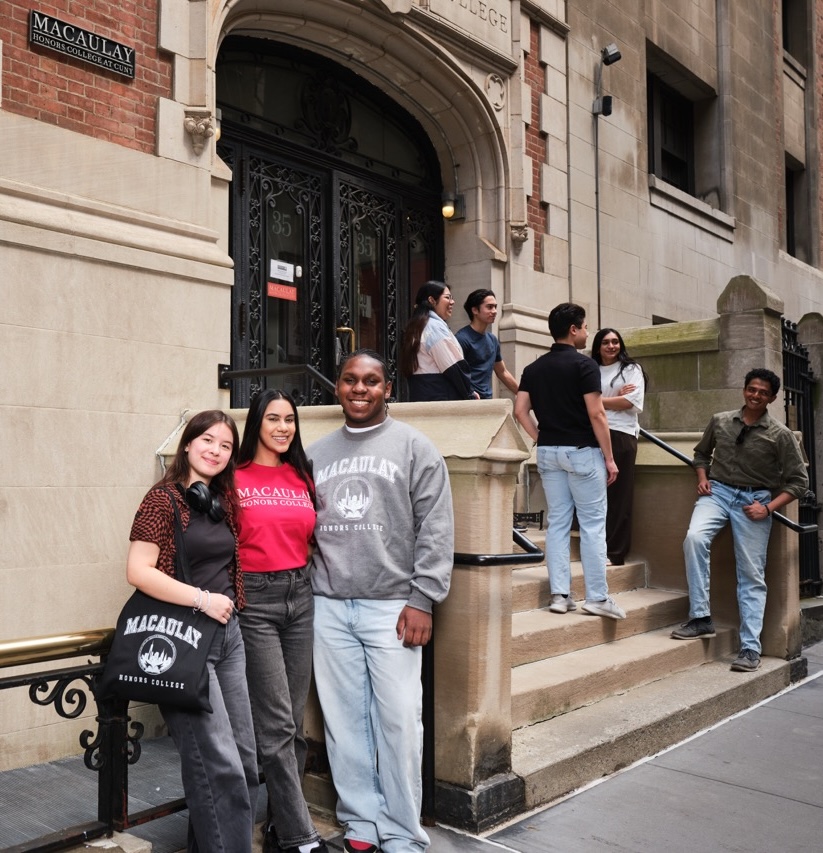
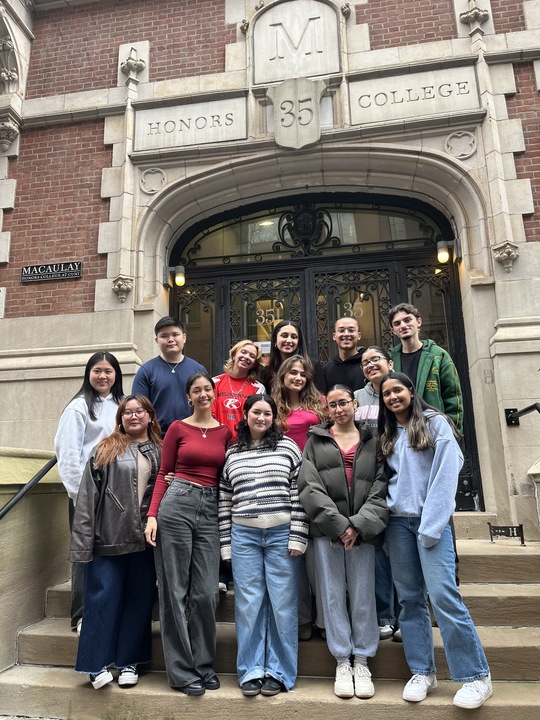
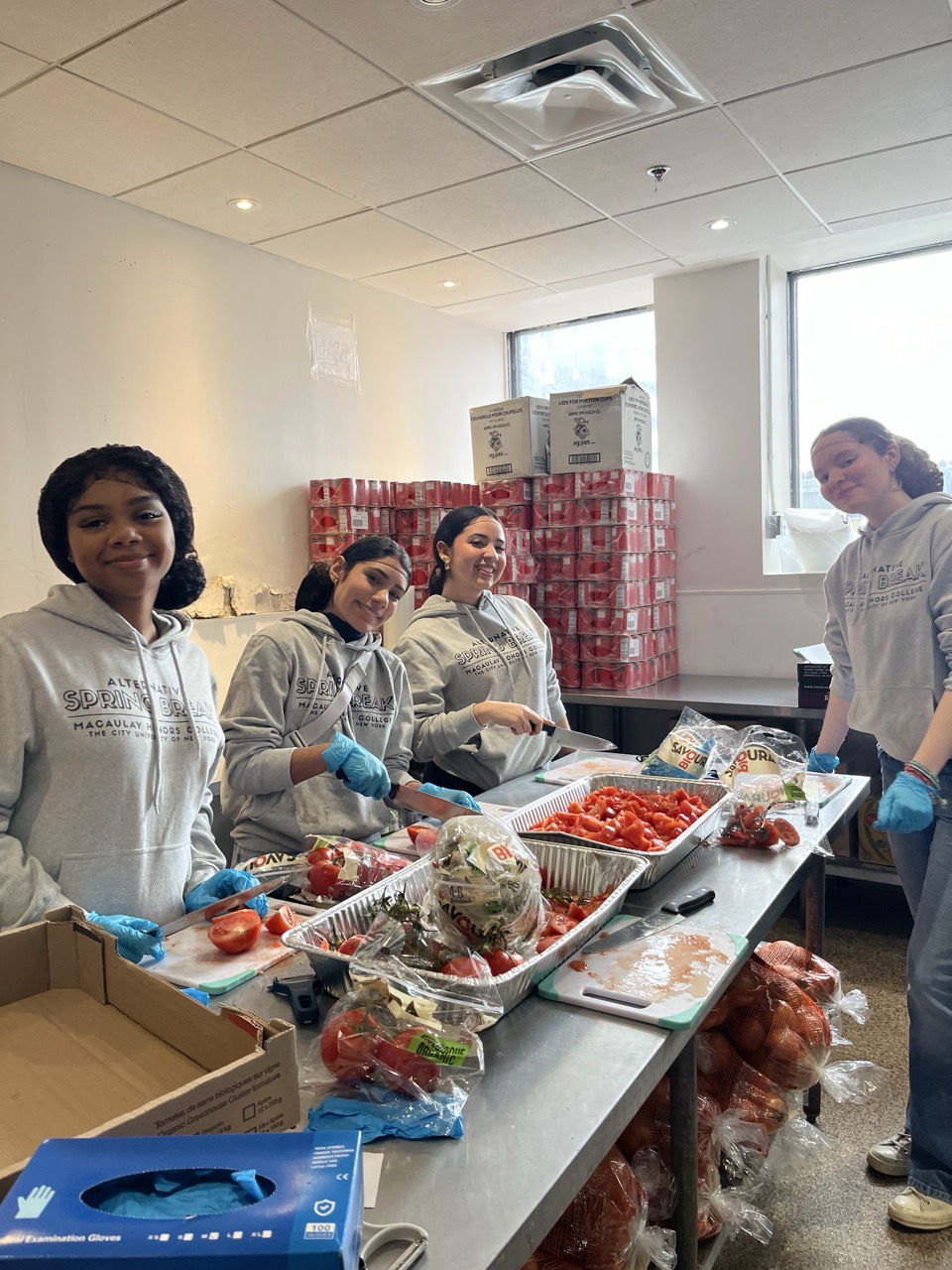
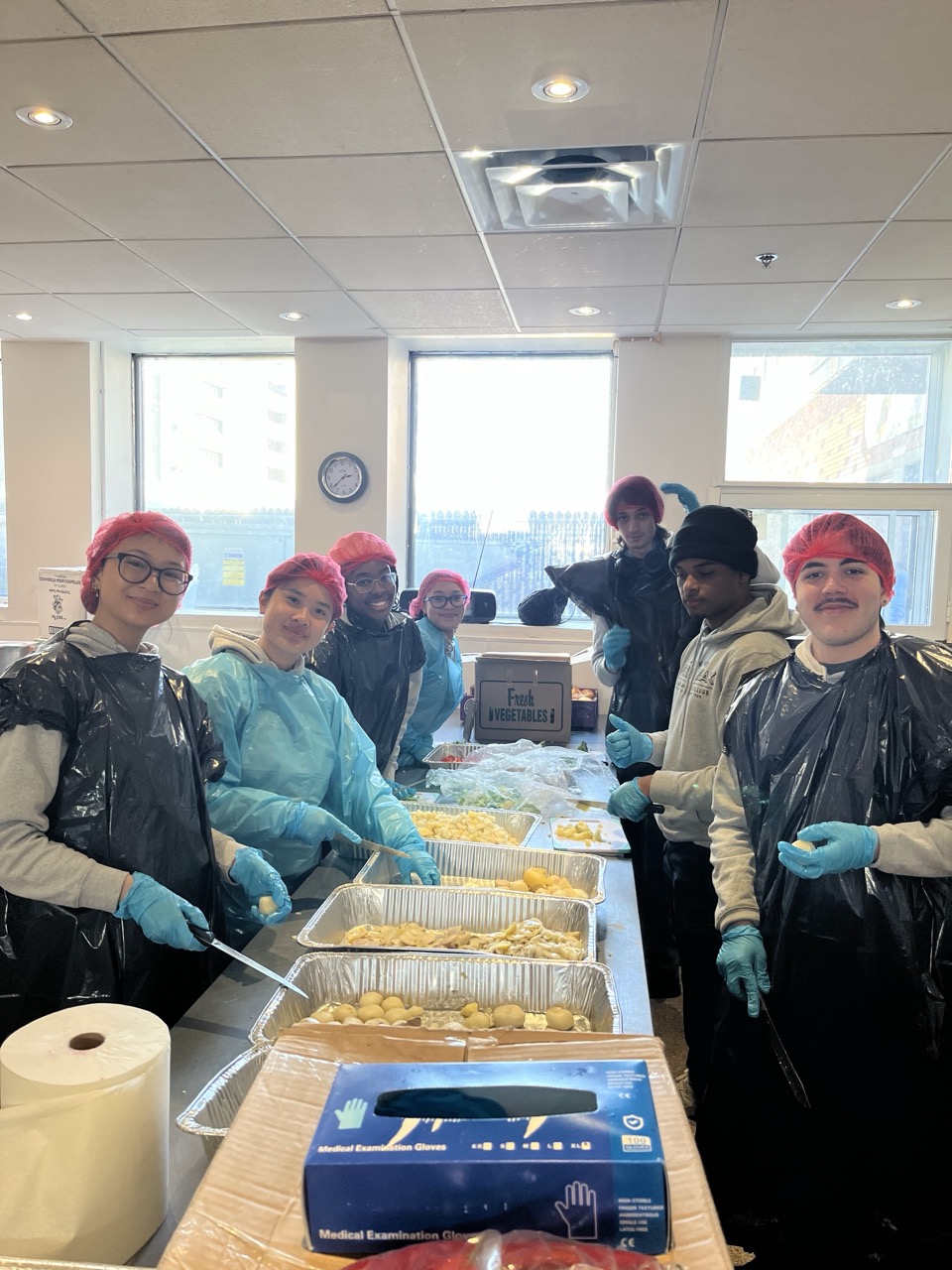
In April, Macaulay launched its first Alternative Spring Break, bringing 21 students and four staff from all eight campuses to Albany, NY, and Montreal, Quebec. Participants engaged in service projects, leadership workshops, and cultural exploration, with 100% reporting meaningful new connections and a stronger commitment to service. Albany underscored Macaulay’s investment in New York State communities, while Montreal offered an affordable international immersion with linguistic and cultural diversity. Donor support from the 2024 Opportunities Fund Gala ensured affordability, making the experience accessible and inclusive. Students returned with global perspectives, stronger cross-campus bonds, and renewed civic engagement.
Collaborative Academic Recovery Program (CARP)
Launching in Fall 2025 with funding from CUNY’s College Completion Innovation Fund, CARP is designed to help students receiving academic support regain good standing and long-term academic momentum. The program will integrate real-time data dashboards, a student resource guide, and peer mentoring to provide holistic, coordinated support. At its heart are Peer Coaches—exceptional students trained by the non-profit College Access: Research & Action—who will work closely with advisors and faculty to guide peers through challenges and connect them to resources. By embedding recovery into both academic and student affairs, CARP will strengthen persistence, reduce barriers to graduation, and serve as a model across CUNY.
Counseling Services & Wellness Programming
With support from the Aronson Family Foundation, the Collaborative Wellness Project entered its second year, expanding into a comprehensive infrastructure that integrates wellness across Macaulay. Peer-led Wellness Ambassadors organized more than 60 events, from neurodiverse student gatherings to mindfulness retreats and the inaugural Wellness Symposium. Participation grew to 1,027 students—a nearly tenfold increase from baseline—while faculty and staff engagement also deepened through trainings on trauma-informed practices. Complementing this work, Counseling Services provided accessible, stigma-free support, with students increasingly opting for weekly and virtual sessions. Together, these initiatives reinforced resilience, belonging, and care as cornerstones of the student experience.
Academic Innovation and Excellence
Capping the 2020–2025 Strategic Plan, Macaulay made bold investments in teaching and learning that sharpened academic quality and opened new pathways for students. Faculty completed the first full assessment of all Core Seminars using AAC&U’s VALUE rubrics, while innovative pilots like the Food Atlas of New York and a Google experiential practicum showcased digital, city-focused scholarship. Graduate opportunities grew through new 4+1 agreements with the CUNY School of Labor and Urban Studies and the Newmark School of Journalism, alongside strong outcomes in existing MPH and other accelerated pathways.
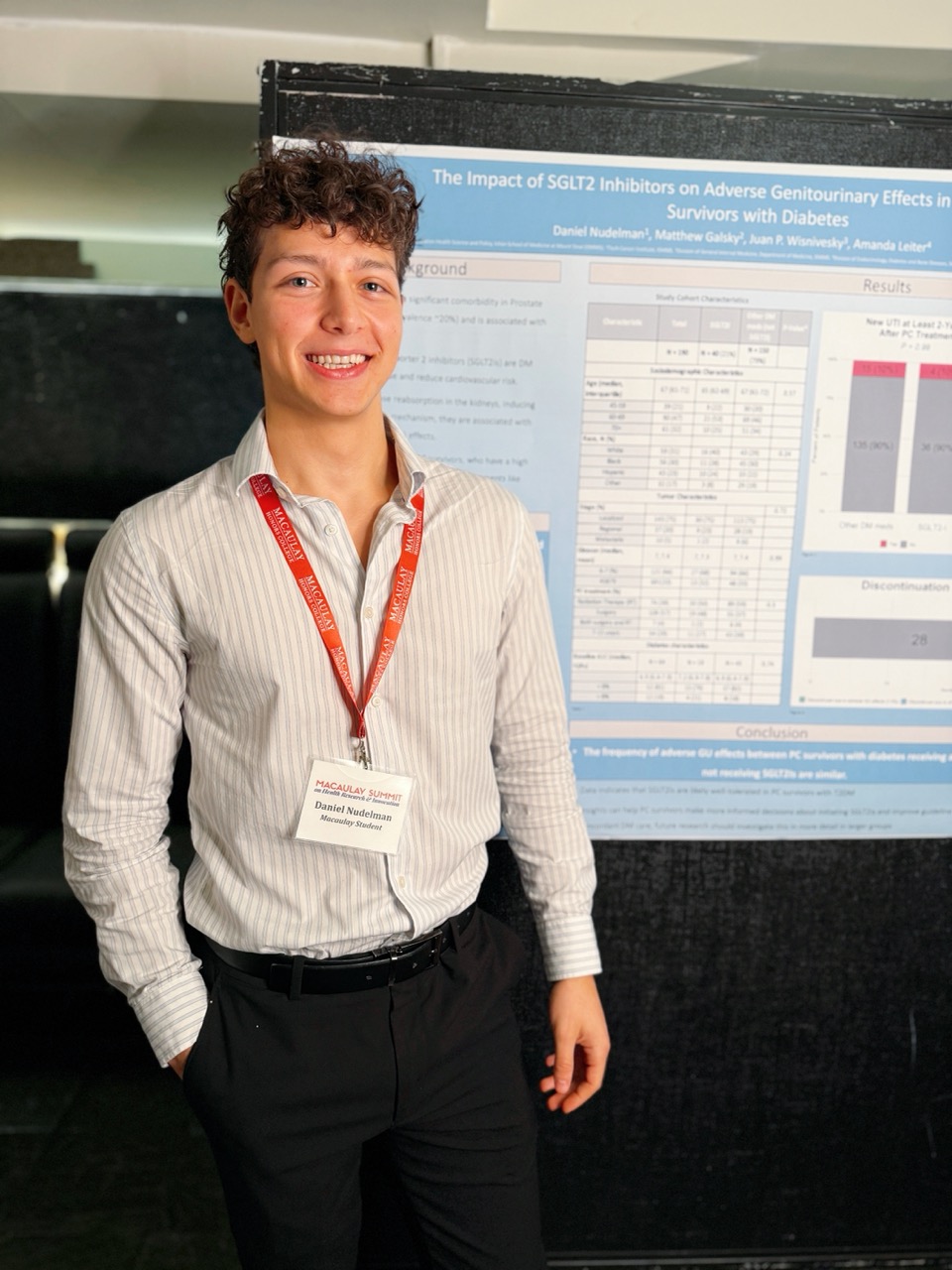
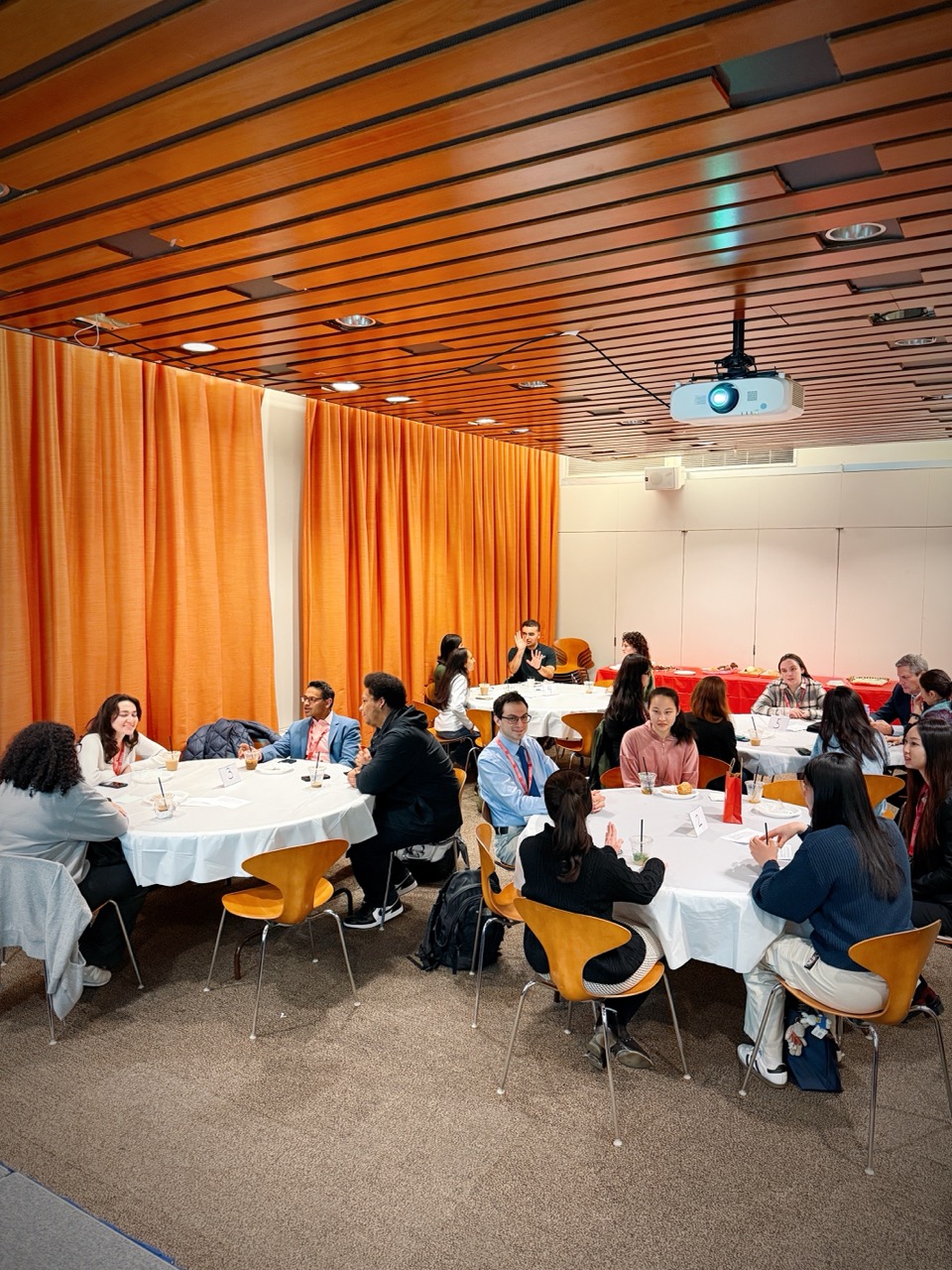
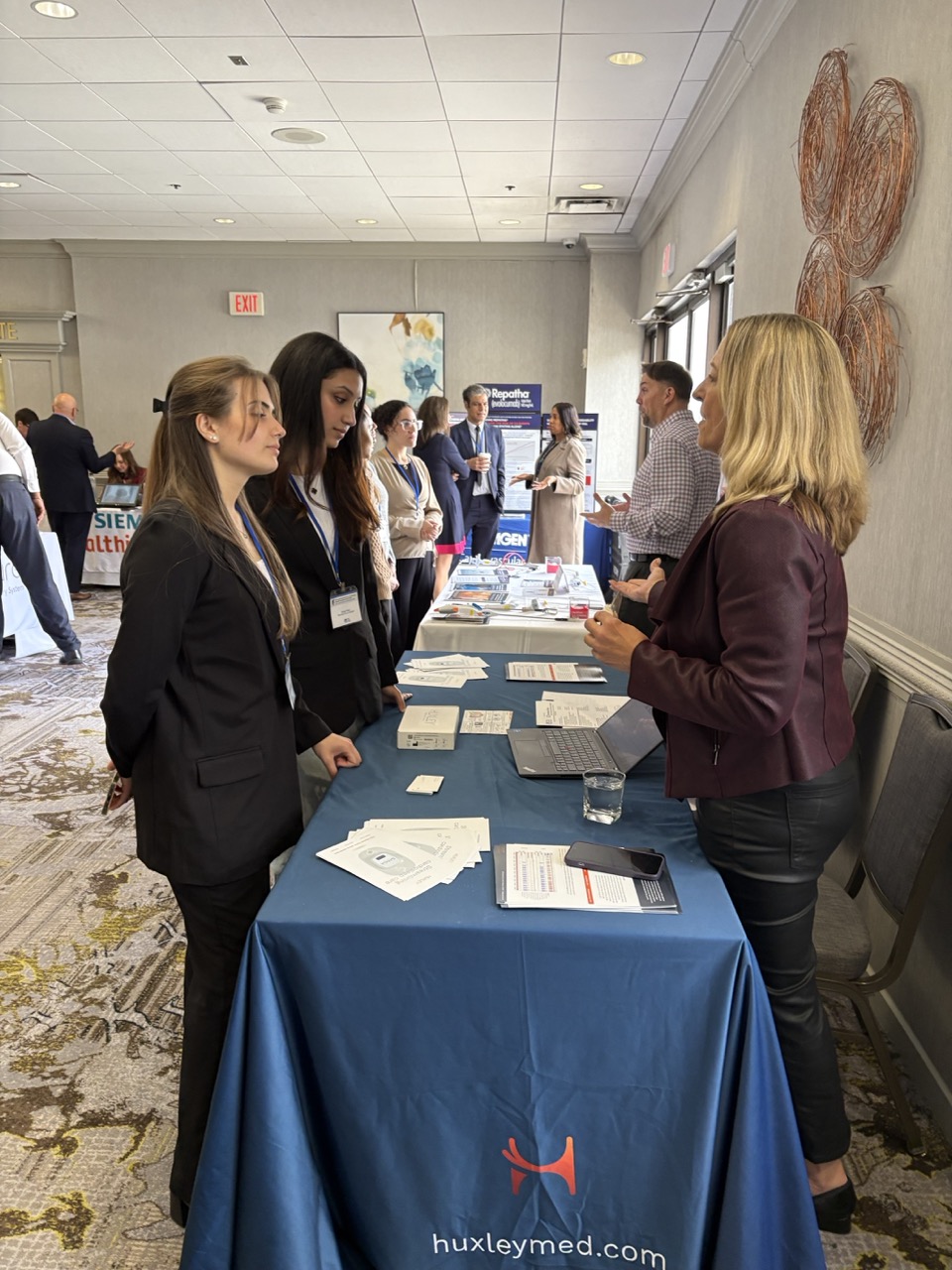
The Friedman Transfer Scholars and Gray STEM Scholars programs both exceeded retention and performance benchmarks. Experiential learning flourished in MTA and citywide design challenges and in the Cornell Tech CUNY Honors Connect program, where students tackled AI, robotics, and healthcare projects. Culminating with the Macaulay Health Summit on Research and Innovation, these achievements collectively strengthen curriculum, deepen faculty collaboration, and prepare graduates to make meaningful contributions well beyond the classroom.
Key Achievements
Core Seminar Assessment: All four Core Seminars assessed using AAC&U VALUE rubrics, with 150+ student artifacts reviewed by faculty committees.
Learning Pilots: Launched Seminar 2 cluster producing the Food Atlas of NYC (130+ entries) and piloted a Google experiential practicum.
Graduate Pathways: Established new 4+1 agreements with the CUNY School of Labor and Urban Studies and the Newmark School of Journalism.
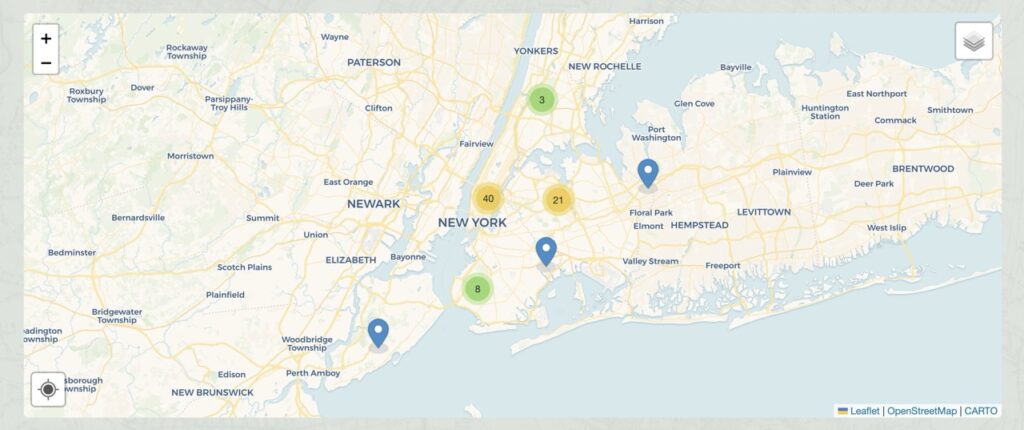
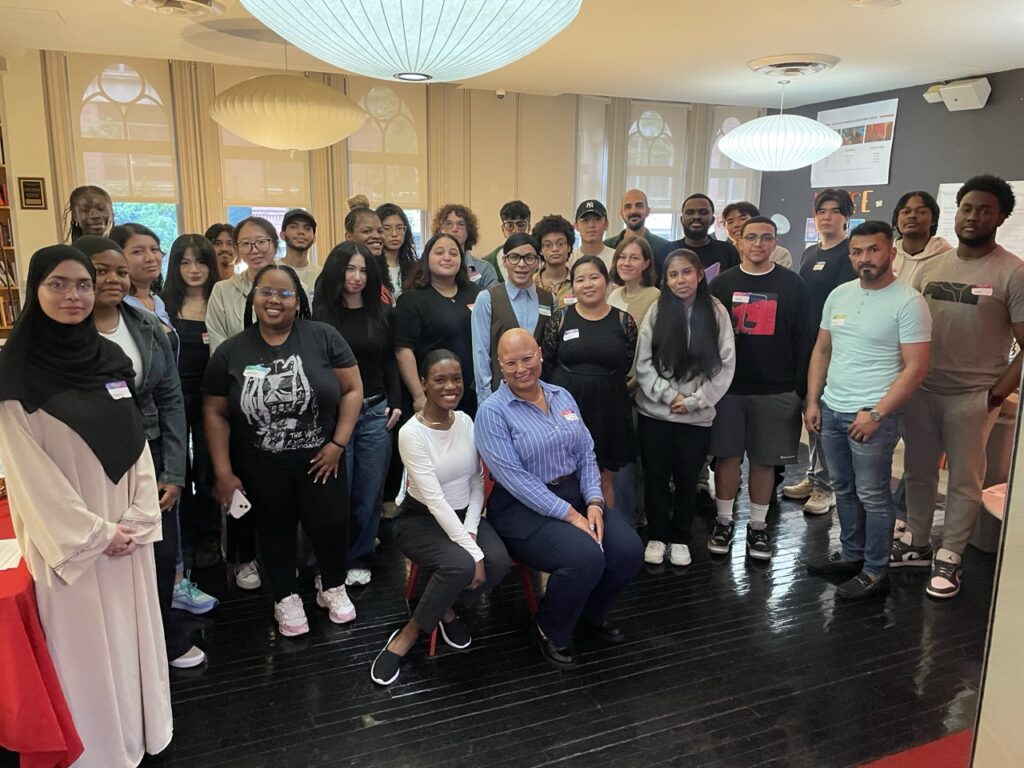
STEM & Transfer Programs: Gray STEM Scholars received 796 applications; Friedman Transfer Scholars enrolled 35 students from all eight community colleges.
Experiential Learning: Expanded opportunities through the MTA Datathon, New York City: Designed, and system-wide case competitions.
Initiatives & Outcomes
Core Seminar Assessment
Faculty-led committees assessed student learning across all four Core Seminars for the first time, using American Association of Colleges & Universities VALUE rubrics alongside Macaulay-developed tools. Reviewing more than 150 student artifacts, faculty identified strengths in critical thinking and areas for improvement in research and communication. These results are already shaping new seminar rubrics and assignments, marking an important step toward systematic, evidence-based improvement of Macaulay’s signature curriculum.
Food Atlas of New York
Born out of Macaulay’s Seminar 2, The People of New York, the Food Atlas is a collaborative digital project that uses cuisine to explore New York City’s diversity and complexity. Students from all eight campuses contributed entries ranging from Bengali fuchka vendors to the rise of halal carts and the influence of Filipino cuisine downtown. By combining research, storytelling, and digital collaboration, the Atlas highlights the sociological, economic, and cultural forces shaping the city’s food landscape, while providing a creative platform for students to share scholarship with a wider public.
Cornell Tech Collaboration: CUNY Honors Connect
The first-ever CUNY Honors Connect cohort wrapped up a fully funded summer of innovation at Cornell Tech, where students collaborated with faculty on real-world challenges in AI, robotics, health care, and urban agriculture. Projects ranged from designing assistive robots for emergency rooms to analyzing AI’s impact on intellectual property law. The program culminated in a symposium showcasing student research, reinforcing Macaulay’s role in linking honors education with New York City’s innovation ecosystem.
Strengthening Graduate School Pathways
Since 2020–21, 58 students have participated in Macaulay’s graduate pathways initiative, with nearly 90% retained and many already earning advanced credentials. The program reduces financial barriers through tuition savings, shortens time-to-degree, and provides direct pipelines into high-demand fields. Outcomes are strong: MPH graduates report median wages of $79K one year post-graduation, rising to nearly $100K within five years, with 95–97% employed or continuing education. Looking ahead, Macaulay will expand pathways into data science, finance, translational medicine, and public administration while appointing a Director of Graduate Partnerships to scale advising and coordination.
PATHWAYS TO EXCELLENCE
Launched with a $2.7M Friedman family gift, this program creates a seamless pathway from CUNY community colleges into Macaulay. The inaugural cohort of 26 students showed strong retention and transfer outcomes, while the 2025 cohort expanded to 35 students from all eight community colleges. Over half are Pell recipients, and academic performance is strong, with an average incoming GPA of 3.82 and high STEM enrollment. Early outcomes show Friedman Scholars outperforming CUNY averages in retention and transfer, positioning the program as a national model for equity and access in honors education.
The Gray STEM Scholars Program is rapidly expanding honors-level science education. Cohort Alpha achieved 100% retention in STEM majors, supported by a peer tutoring model that boosted GPAs and reinforced identity as scientists. Scholars engaged in research placements at MSK and Queens College, shadowed clinicians at Mount Sinai, and participated in skill-building workshops. Cohort Beta recruitment drew 1,200 applications, with 16 scholars admitted (62% Pell-eligible), doubling representation across campuses. With new mentorship links to the Gray Medical Scholars, the program is building a strong pipeline from college to medical school and beyond.
Macaulay Health Summit on Research and Innovation
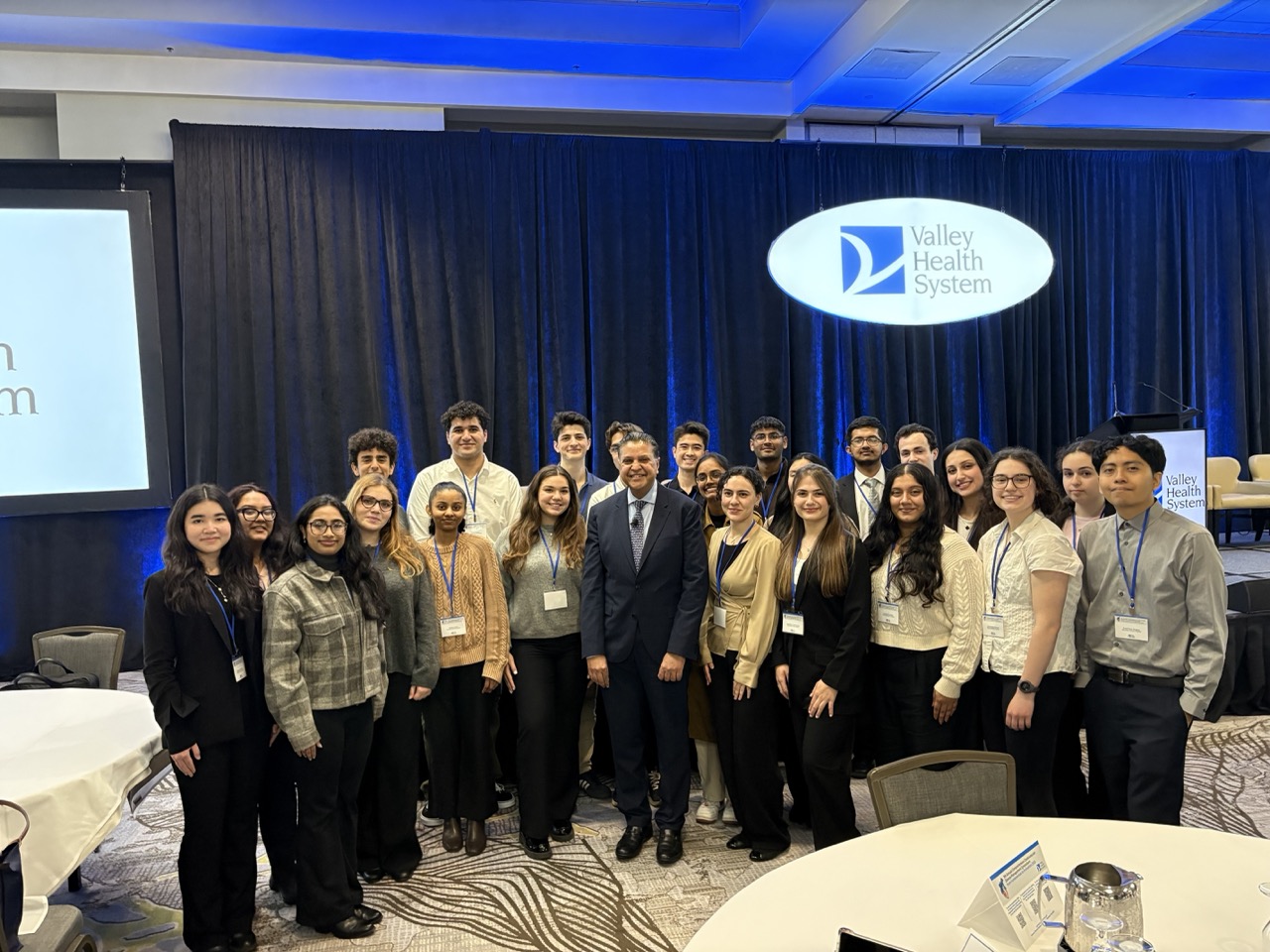
This two-day summit brought students face-to-face with leaders in healthcare research and practice. Day one featured a plenary by Michael Samuelian of Cornell Tech’s Urban Tech Hub, alumni panels, and networking sessions with trustees and industry professionals. Day two immersed students in a cardiac conference co-hosted by the Cleveland Clinic and Valley Health System, where they joined 250 practitioners in exploring breakthroughs in cardiovascular care. Students left with expanded networks, real-world insight, and inspiration to pursue careers in health and science.
Experiential Learning in Data & Innovation
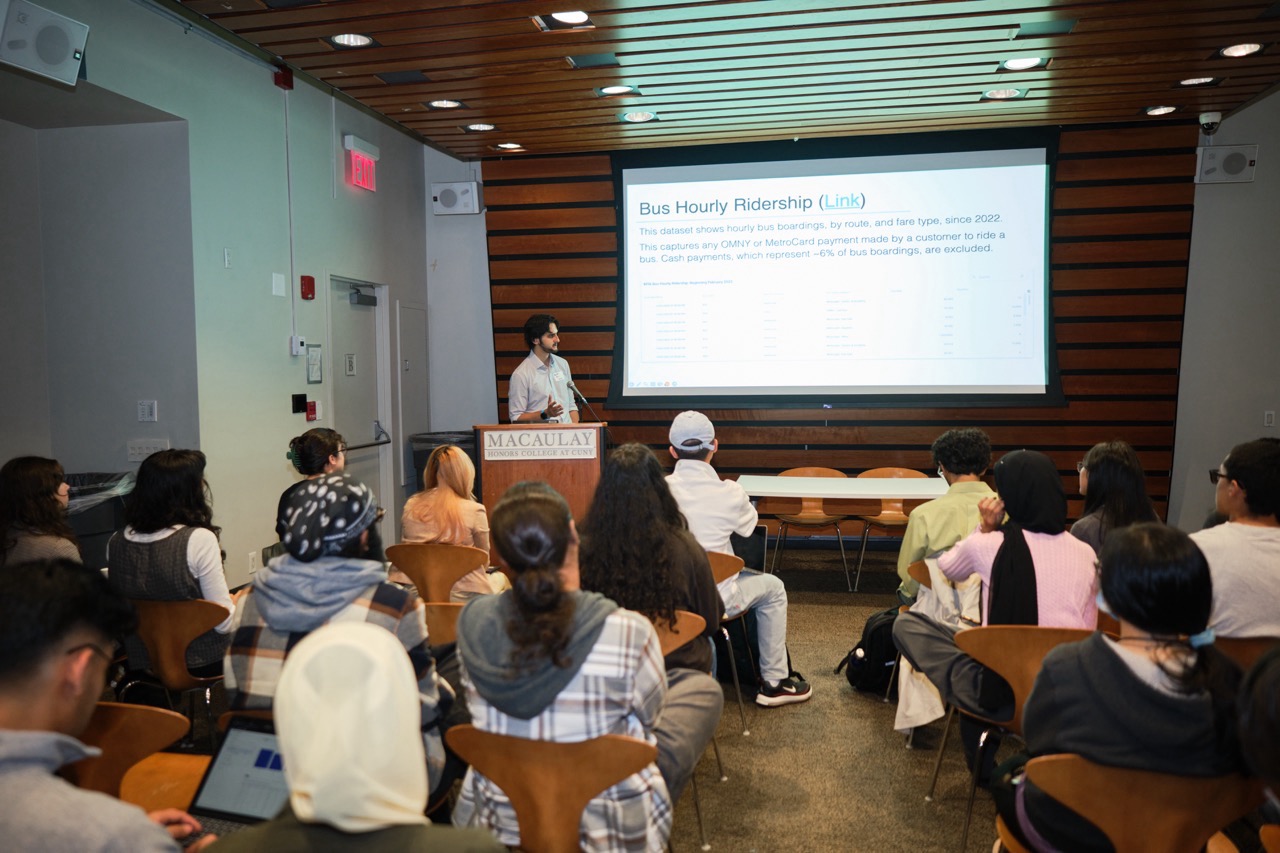
This year we launched two new flagship experiential learning initiatives in data and innovation. In the fall, the Macaulay Datathon engaged 67 students from 15 colleges—including 13 CUNY campuses—in tackling real-world transit challenges with the MTA, with winning teams promoting Fair Fares, analyzing subway access for elderly riders, and improving bus reliability.
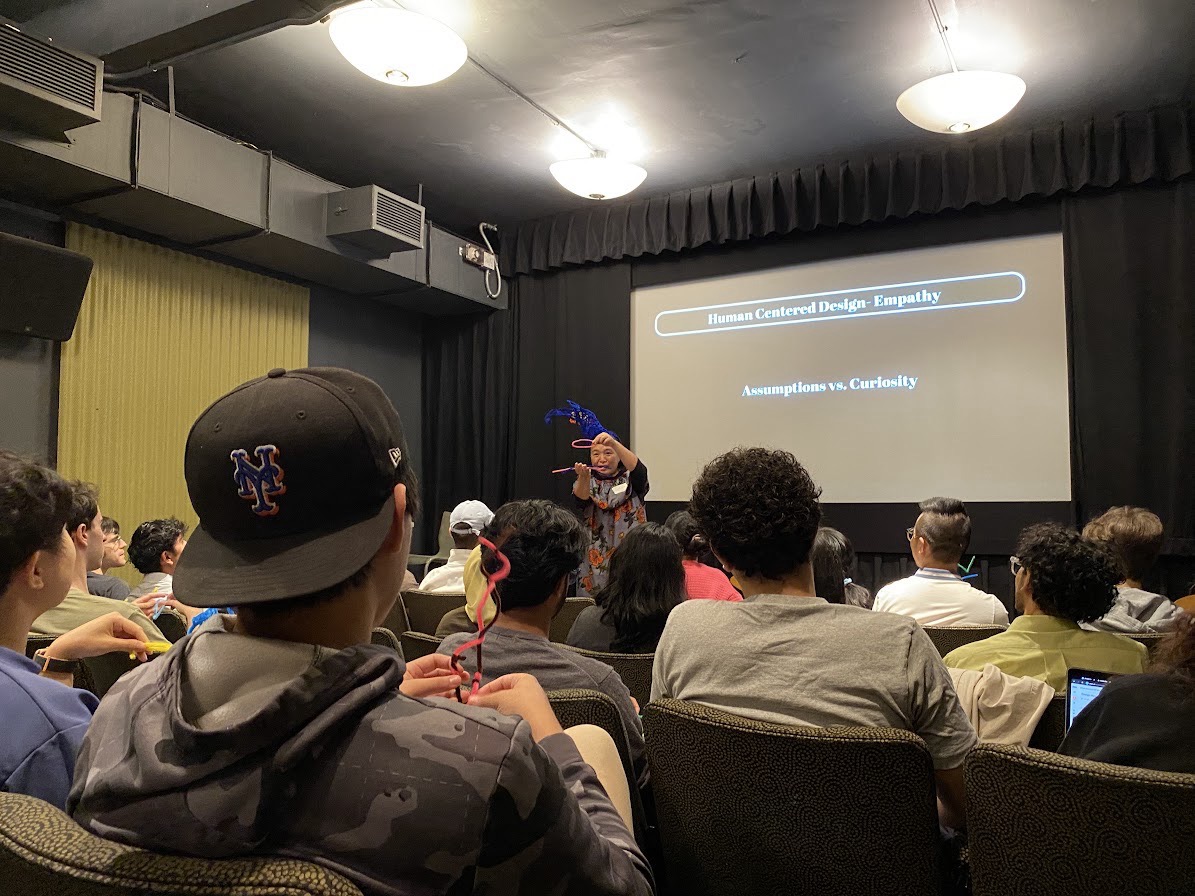
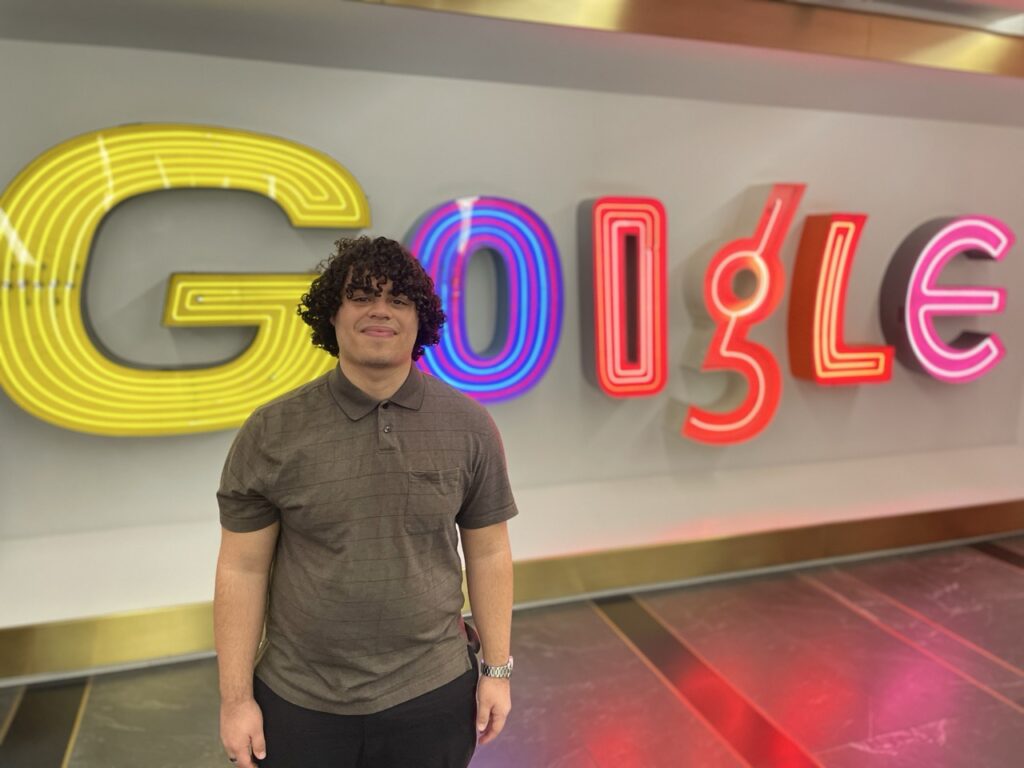
In the spring, the Honors Experiential Development Practicum, or xDev, with Google as the inaugural industry partner, immersed 25 students in product development and marketing, combining classroom learning with sessions at Google offices. Guided by Google mentors and Macaulay faculty, students created projects such as a shopping app and a local events platform, presenting their work at a semester-end Demo Day. Together, these programs exemplify how Macaulay blends honors education with real-world innovation and industry partnerships.
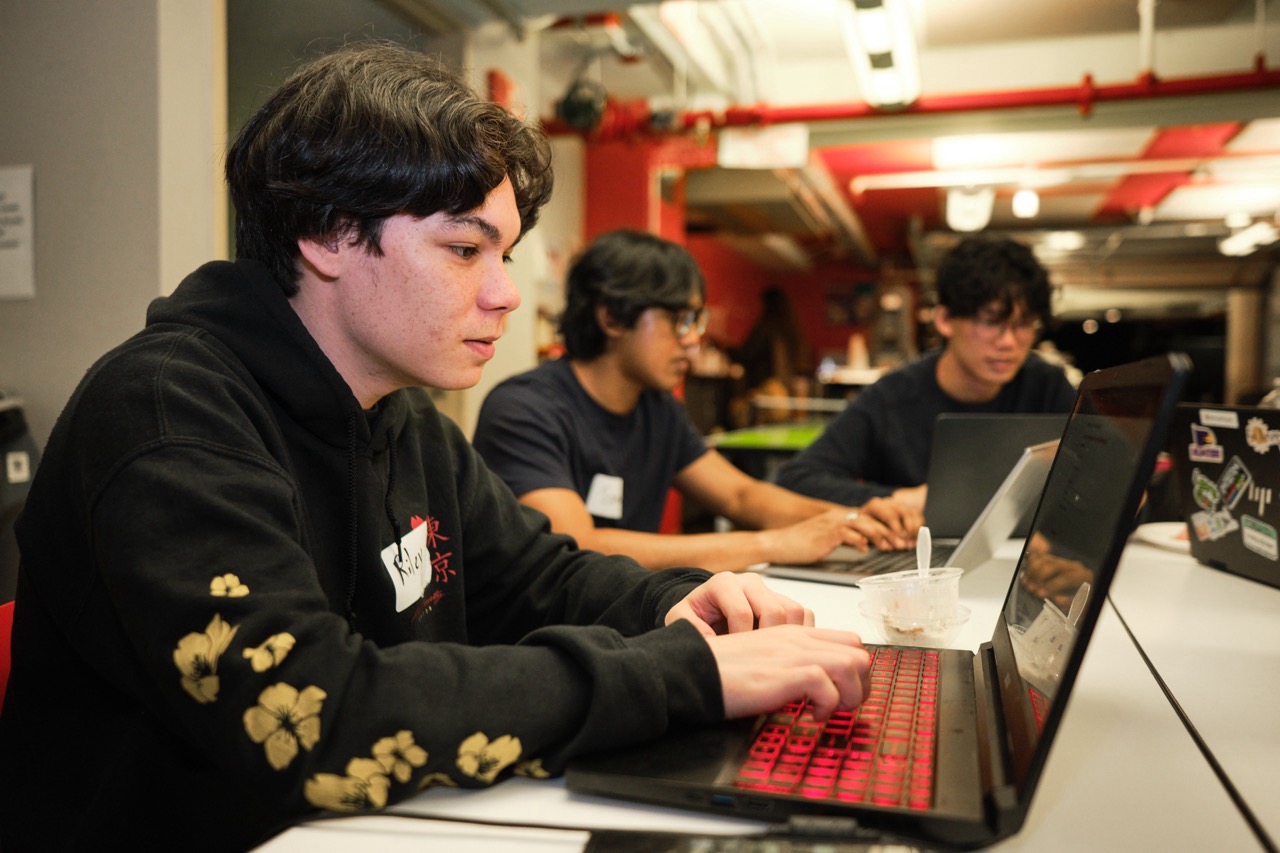
“It provides the unparalleled opportunity to get exposure to a real work environment while still an undergraduate, as well as build professional connections with industry professionals”
–Ricky Costas-Hernandez ’26
Community
Culminating five years of focused effort to strengthen belonging, Macaulay reimagined signature student events, expanded restorative practices, and deepened alumni and partner engagement—laying a durable foundation for an active, inclusive community. Student life flourished through redesigned Macaulay Olympics, Story Slam, and Weeks of Welcome, alongside peer-led wellness programming that built cross-campus bonds. The Restorative Practice Program trained new mediators, hosted 32 dialogue circles, and convened its first college-wide forum, becoming a model for conflict resolution and trust-building.
Meeting essential needs, the new Mountain Lion Food Pantry now offers free, stigma-free food and supplies, while Macaulay students helped lead New York City’s record-setting City Nature Challenge, blending science and civic engagement. A two-year study produced concrete recommendations to inclusion and belonging across the community. Together, these initiatives not only capped the 2020–2025 Strategic Plan but also ensure that Macaulay’s culture of connection and care will thrive well into the future.
Key Achievements
Student Events: Reimagined Macaulay Olympics, Story Slam, and Weeks of Welcome to foster cross-campus connection.
Restorative Practices: Trained 16 mediators, hosted 32 circles, and launched Macaulay’s first Restorative Practice Forum.
Food Security: Opened the Mountain Lion Food Pantry with funding from Women at Amazon and the Petrie Foundation.
Alumni Engagement: Expanded mentoring and networking through events such as Alumni Networking Night and Queer in the Career.
Initiatives & Outcomes
Student Activities and Engagement
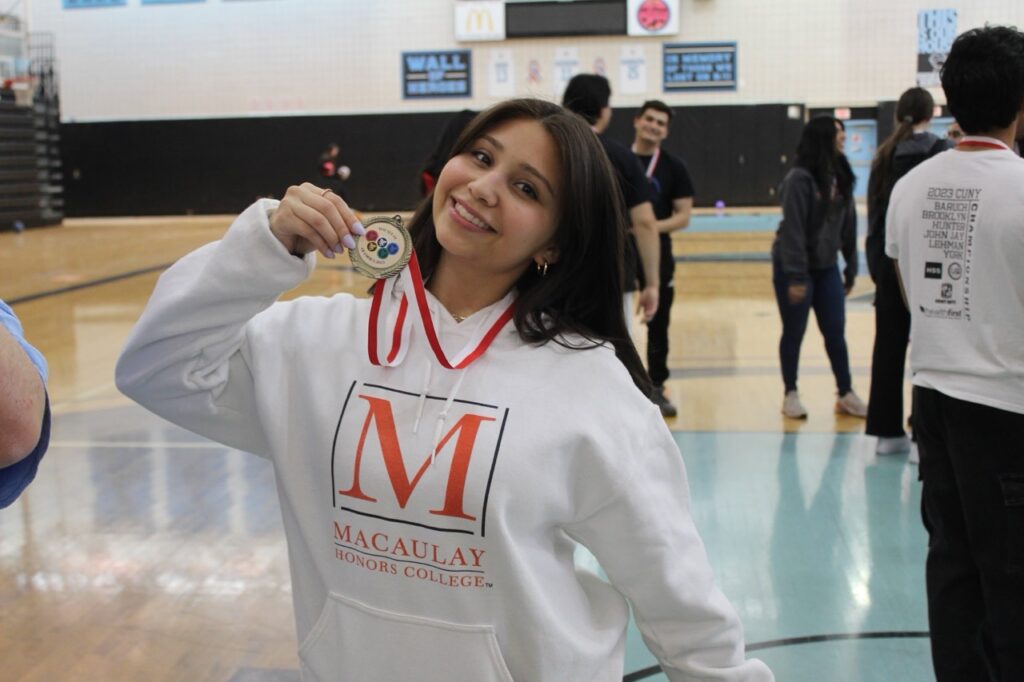
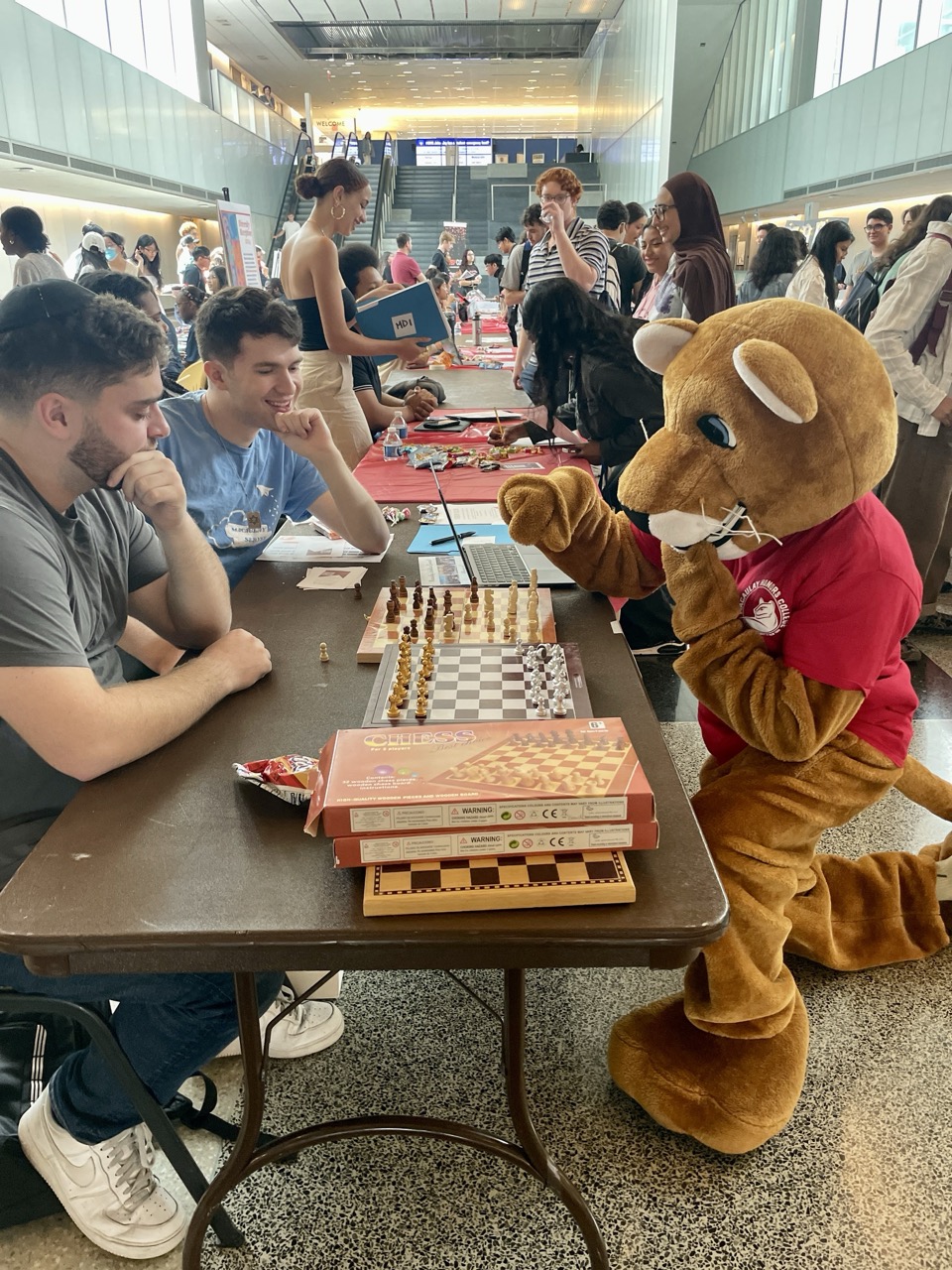
The reimagined Macaulay Olympics stood out as a centerpiece of the year, drawing 77 students from all eight campuses for spirited competition and collaboration. With CUNY leadership in attendance, the event reinforced campus pride and cross-campus bonds. Student leadership also flourished: eight student clubs co-designed Finals Wellness programming and countless peer-to-peer initiatives helped students navigate challenges together. These activities advanced Macaulay’s ethic of care and belonging, empowering students as co-creators of community.
Restorative Practice Program
In its second year, the Restorative Practice Program trained 16 new mediators and expanded its reach to 32 circles across eight campuses, serving 162 participants. Students reported major gains in confidence, empathy, and communication skills, while 90% said they would recommend the program. The annual Restorative Practice Forum further broadened impact, bringing together students, faculty, and staff for dialogue and skill-building. With stipends for mediators, integration of Constructive Dialogue techniques, and a larger forum planned, the program is fast becoming a model for conflict resolution and trust-building at the college.
Inclusion and Belonging
Macaulay used surveys, focus groups, and pilot programs to deepen understanding of inclusion and belonging for students, faculty, and staff. Student well-being was tracked through the emerging Healthy Minds Survey aimed at improving fall-to-fall retention rates, while new entry and exit surveys reached students at risk of isolation. For employees, Perceived Stress Scale and retreat-based surveys showed significant stress reductions. A two-year student experience study combined surveys and focus groups to surface both affirmations and obstacles, producing actionable recommendations on scheduling, food access, and bias response. These data-driven insights are now guiding strategies to build an even more inclusive and resilient Macaulay community.
Mountain Lion Food Pantry
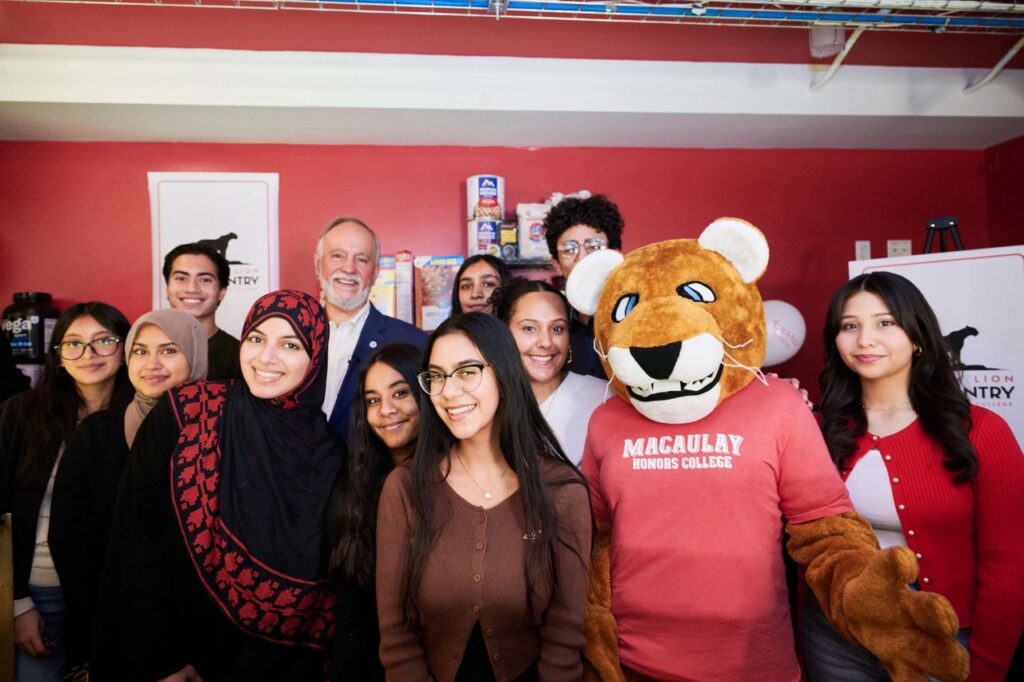
Opened in January 2025, the Mountain Lion Food Pantry has become an essential student resource. Funded by Women at Amazon and the Petrie Foundation, the pantry offers shelf-stable and fresh foods, hygiene items, household supplies, and even pet care items. Located in the Commons, it provides free, stigma-free access for all CUNY students, complementing snack stations stocked in the Reading Room.
Advocacy from the Macaulay Scholars Council helped bring the pantry to life, and ongoing donations keep it supplied. The pantry addresses an urgent need—40% of CUNY students experience food insecurity—while affirming Macaulay’s promise that no student should have to choose between nourishment and education.
City Nature Challenge 2025
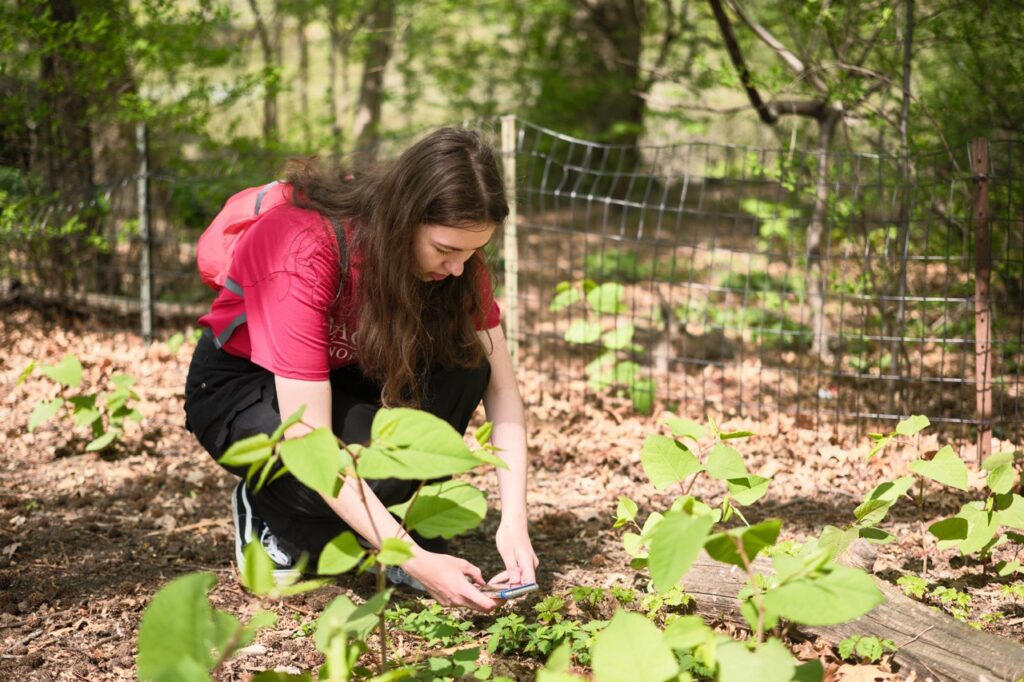
Macaulay once again led New York City’s participation in the City Nature Challenge, partnering with 26 organizations to host 45 public events across all five boroughs. Using the iNaturalist app, 990 participants documented 21,649 observations of 1,898 species—a record number of NYC observers. Students were at the heart of the effort, guiding events and helping identify species, including five documented exclusively by Macaulay participants. With 14 newly confirmed species and nearly 10% of research-grade submissions coming from the Macaulay community, the Challenge advanced both scientific knowledge and civic engagement. Support from Council Member Gale Brewer enabled the distribution of 1,000 City Scientist kits, ensuring broad community participation. The event will return April 24–27, 2026.
Institutional Longevity
Macaulay strengthened its foundation for long-term success with sweeping advances in planning, finance, infrastructure, and technology. By end of spring, the college completed a near-final draft of the 2025–2030 Strategic Plan through an inclusive, campus-wide process and relaunched assessment efforts across 14 units. Financial stewardship remained strong, with clean audits, investment gains, and rental revenues exceeding projections. More than $13 million in capital and IT upgrades improved safety, accessibility, and digital capacity, while participation in CUNY’s new ERP design and staff training in AI and digital fluency prepared Macaulay for the future.
Alumni outcomes came into sharper focus, with over half of graduates now matched to national labor data showing earnings $27,000 above peers. Fundraising milestones—from a record-setting $500,000 gala to new grants and board leadership—further expanded resources. Together these achievements capped the 2020–2025 Strategic Plan by creating a more resilient, data-informed, and financially robust institution ready to launch its next five-year vision.
Key Achievements
Strategic Plan: Completed a near-final draft of the 2025–2030 plan through an inclusive process.
Assessment & Alignment: Relaunched Assessment Committee and guided 14 units in revising mission statements.
Alumni Outcomes: Matched 54% of alumni to national labor data; graduates outearn peers by $27K one year after graduation.
Capital & IT Upgrades: $13M invested in safety, accessibility, and infrastructure.
ERP Engagement: Ensured Macaulay needs are reflected in CUNY’s new ERP design.
Digital Fluency: Advanced readiness through AI for Nonprofits Sprint, staff training, and peer learning.
Initiatives & Outcomes
Macaulay Gala 2025
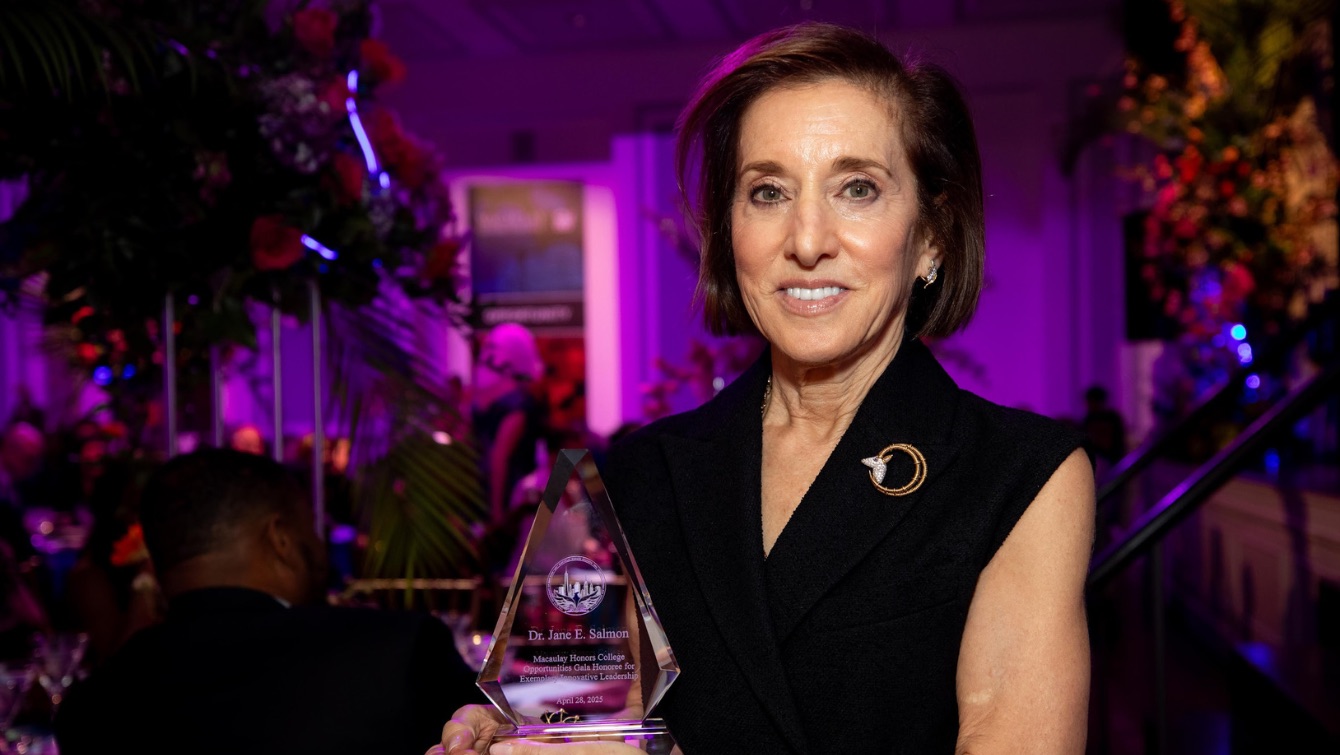
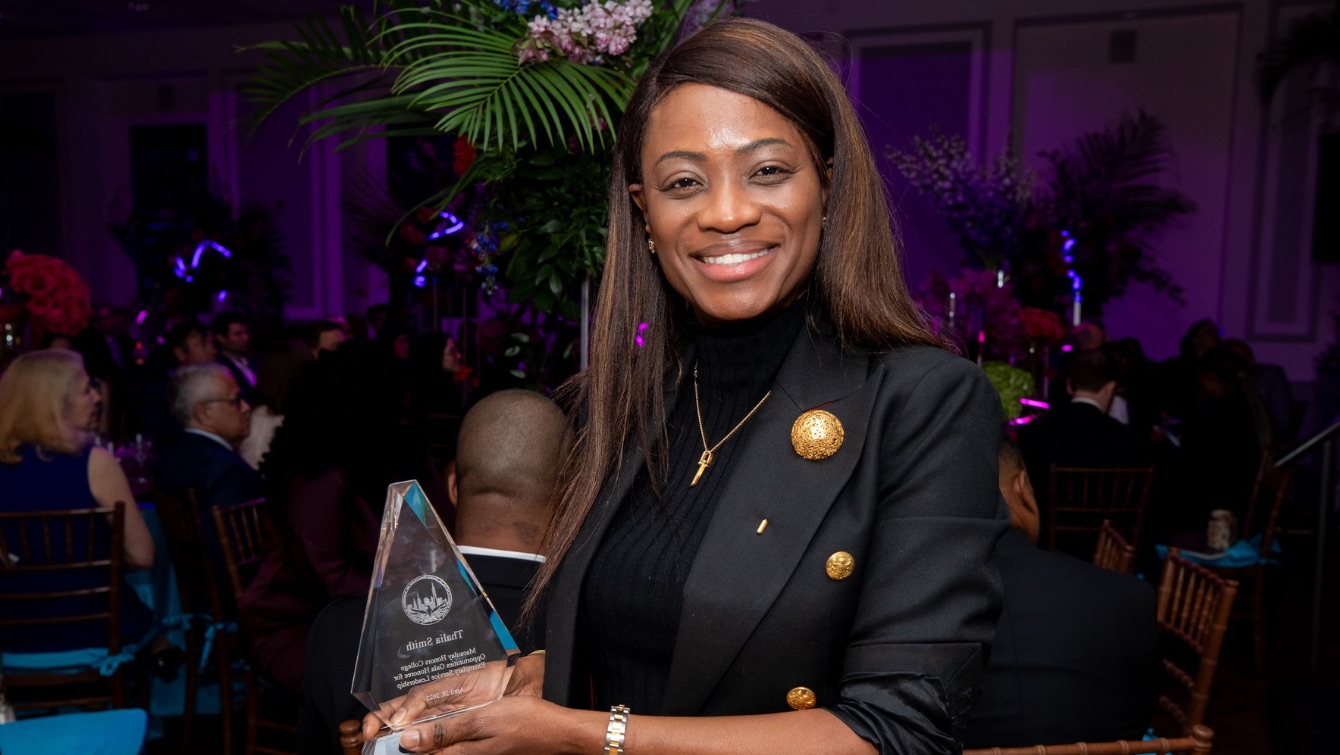
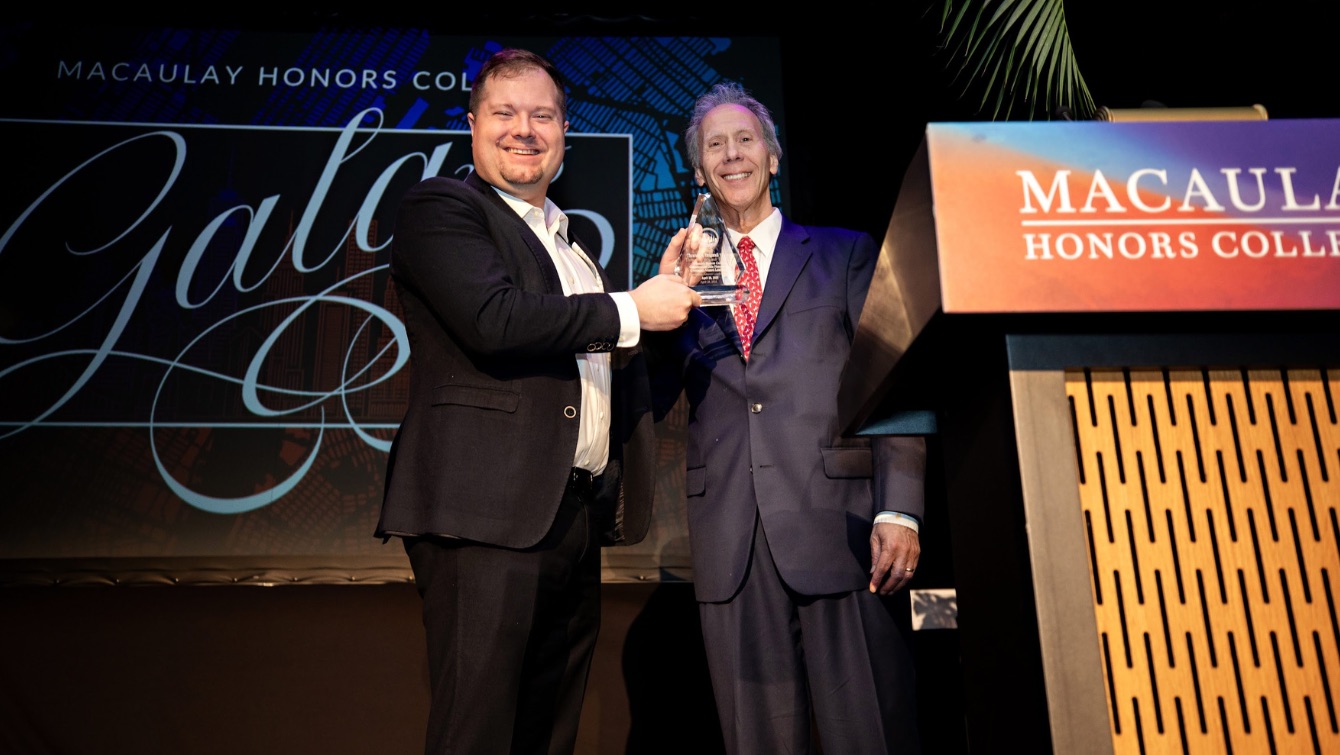
The annual gala raised over $500,000 for scholarships and enrichment, while honoring Dr. Jane E. Salmon of Hospital for Special Surgery, Thalia Smith of Deloitte, and alumnus Thomas Brigandi ’12. The event brought together alumni, donors, and friends in celebration of Macaulay’s mission, reinforcing the college’s reputation as a hub for innovation, access, and excellence.
2025 GALA HONOREES
Dr. Jane E. Salmon
Thalia Smith
Thomas R. Brigandi ’12 CFA
Critical Technology
Macaulay secured new philanthropic and public support, including grants from the CD&R Foundation, the Thomas J. Watson Foundation, and Council Member Gale Brewer. Over $6 million in capital funding supported renovation of student spaces, elevator replacement, and technology upgrades. Space rentals provided stable auxiliary revenue, generating $88,103 this year, with the Screening Room accounting for the majority. A multi-year agreement with New Plaza Cinema continues to anchor the program, strengthening both revenue and community ties.
Shaping Macaulay’s Future: A Bold New Strategic Plan
Macaulay will soon put the finishing touches on its 2025–2030 Strategic Plan. Developed through months of collaboration with students, staff, faculty, alumni, and partners across CUNY, the plan brings together the themes that matter most—student empowerment, excellence in honors education, impact and recognition, and financial sustainability. With guidance from Boston Consulting Group, the plan distills bold ideas into actionable initiatives and positions Macaulay as a national leader in honors education. The coming year will focus on launching and implementing this roadmap for growth and transformation.